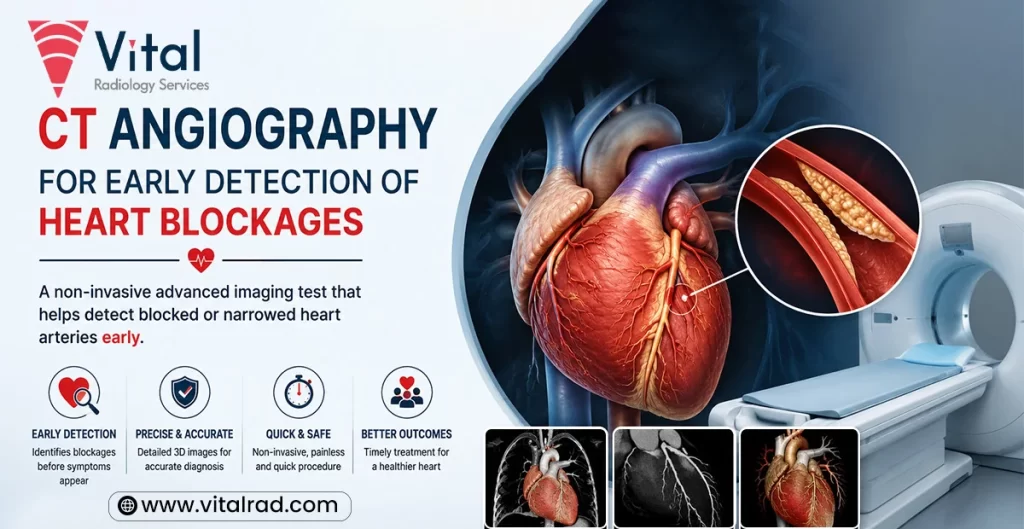

Heart-related conditions often develop quietly, without clear warning signs, which can make them feel worrying and uncertain. Among these, coronary artery blockages are a common cause of serious heart problems. The good news is that early detection can make a meaningful difference. When identified in time, many heart issues can be managed with care, lifestyle changes, and appropriate treatment, helping people lead healthier and more confident lives.
CT angiography offers a safe and advanced way to look closely at the heart’s blood vessels. This non-invasive test helps doctors detect blockages at an early stage, even before symptoms appear. It provides clear images that guide timely decisions and reduce risks. For many, this brings reassurance and clarity, allowing them to take proactive steps toward protecting their heart health with the right support and care.
What Is CT Angiography?
CT angiography is a specialised imaging test that helps doctors see how blood flows through the coronary arteries. It uses advanced CT scanning technology to create detailed pictures of the heart and its blood vessels. This allows healthcare providers to assess the condition of the arteries with clarity and confidence.
During the procedure, a contrast dye is injected into a vein, which helps highlight the blood vessels on the scan. This makes it easier to identify any narrowing, plaque build-up, or blockages that may affect normal blood flow. The images produced are precise and can reveal early changes that might not yet cause symptoms.
One of the key advantages of CT angiography is that it is non-invasive compared to conventional angiography. It does not usually require inserting a catheter into the arteries, making the process quicker and more comfortable. For many people, it offers a safer and more convenient way to evaluate heart health.
Why CT Angiography Is Recommended
CT angiography is often recommended when doctors need a clear and detailed understanding of your heart health, especially when symptoms or risk factors raise concern. It helps guide timely care and offers reassurance through accurate insights.
It is commonly advised to evaluate unexplained chest pain or discomfort, especially when the cause is not clear. This test helps doctors determine whether the pain is linked to reduced blood flow or blockages in the coronary arteries.
Individuals living with conditions such as diabetes, hypertension, or high cholesterol may be advised to undergo CT angiography. These factors can increase the risk of heart disease, and early screening helps in better management and prevention.
It is useful for assessing coronary artery health in people considered high-risk, including those with a family history of heart disease or previous cardiac concerns. The scan provides a closer look at how well the arteries are functioning.
Doctors may include CT angiography as part of a detailed cardiac evaluation when more information is needed. It supports informed decisions about treatment, lifestyle changes, and ongoing care.
How CT Angiography Detects Heart Blockages
CT angiography works by producing high-resolution, three-dimensional images of the coronary arteries, giving doctors a clear and detailed view of the heart’s blood vessels. With the help of contrast dye, even small changes in blood flow become visible. This allows healthcare providers to identify plaque build-up and detect areas where the arteries may be narrowing, often before symptoms become noticeable.
By showing the exact location and extent of any blockage, CT angiography helps doctors understand how severe the condition is and plan the most appropriate care. It plays an important role in early diagnosis, often catching problems before they lead to major cardiac events like a heart attack. This early insight offers an opportunity for timely treatment, lifestyle adjustments, and better long-term heart health outcomes.
Procedure Overview
CT angiography is a carefully guided and well-structured procedure designed to ensure comfort, safety, and accurate results. Understanding each step can help ease concerns and prepare you for the experience.
- A contrast dye is gently injected into a vein, usually in the arm, to make the blood vessels more visible on the scan. You may feel a brief warm sensation as the dye travels through your body, which is normal and passes quickly.
- The patient is then asked to lie still on a motorised table that slides into the CT scanner. Staying still during the scan is important, as it helps produce clear and precise images of the heart and coronary arteries.
- The scanning process itself is quick and painless, often completed within a few minutes. You may be asked to hold your breath for short intervals to reduce movement and improve image clarity.
- The entire procedure is performed under proper medical supervision, following strict safety protocols. Trained professionals monitor you throughout, ensuring your comfort while capturing detailed images needed for accurate diagnosis and care planning.
Clinical Importance of CT Angiography
CT angiography holds significant clinical value in modern cardiac care, offering clear insights that support early diagnosis, timely treatment, and better long-term heart health outcomes.
It plays a vital role in the early detection of coronary artery disease by identifying plaque build-up and narrowing in the arteries before symptoms become severe. This allows for timely intervention and reduces the risk of complications.
The detailed images obtained from the scan help doctors plan appropriate treatment strategies. Whether it involves medication, lifestyle changes, or further procedures, the information supports personalized and well-informed care decisions.
In selected cases, CT angiography reduces the need for invasive diagnostic procedures such as conventional angiography. This makes the evaluation process more comfortable, with fewer risks and quicker recovery for patients.
It is an important tool in preventive cardiac imaging, especially for individuals at higher risk of heart disease. By detecting issues early, it empowers patients and doctors to take proactive steps, supporting better heart health and overall well-being.
Advanced Imaging Support for CT Angiography at Vital Radiology
Vital Radiology offers CT angiography using advanced multi-slice CT imaging systems, designed to deliver detailed and high-resolution images of the heart’s blood vessels. This modern technology allows for clearer visualisation of coronary arteries, helping doctors identify even subtle changes in blood flow or early signs of blockages with confidence.
The center places strong emphasis on quality and accuracy. By following well-established and standardized imaging protocols, Vital Radiology ensures that each scan is performed with precision and care. This approach supports consistent, reliable reporting, giving clinicians the information they need to make informed decisions about patient care.
With a focus on timely diagnostics, Vital Radiology plays an important role in supporting early detection and assessment of heart-related conditions. Their imaging services help clinicians evaluate risks, confirm diagnoses, and plan appropriate treatment strategies. For patients, this means access to dependable care, greater clarity about their heart health, and the reassurance of being guided by accurate and thoughtful medical evaluation.
Conclusion
CT Angiography has become an important tool in detecting heart blockages at an early stage, often before symptoms turn serious. With its ability to provide clear and detailed images of the coronary arteries, it supports timely diagnosis and helps doctors make well-informed clinical decisions. This means that potential concerns can be addressed sooner, giving individuals a better chance to manage their heart health effectively.
Taking a proactive approach can make a meaningful difference. If you have risk factors such as high blood pressure, diabetes, or persistent chest discomfort, speaking with your doctor about appropriate screening options like CT Angiography can be a wise step. Early evaluation not only offers clarity but also helps reduce the risk of serious cardiac complications. Prioritising regular check-ups and timely testing can support long-term heart health and provide peace of mind.