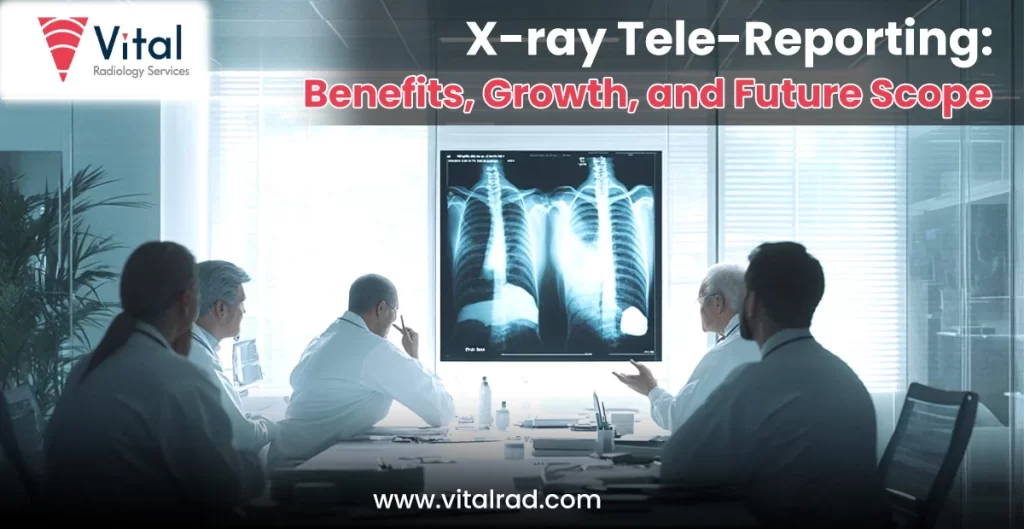

X-ray tele-reporting sends digital X-ray images to remote radiologists. They read scans fast from anywhere. Experts spot breaks, lung problems, or tumors quickly; no need for on-site staff. Secure cloud links share files across the world. This cuts wait times in ERs, small clinics, and rural towns.
Radiologist shortages hit hard today. Tele-reporting fills that gap. It grows with digital health tools. Far-off places get top care now. This article highlights benefits such as speed and low cost. It shows market growth numbers. It looks at AI tools and future wins too.
Understanding X-ray Tele-Reporting
X-ray tele-reporting sends X-ray pictures to doctors far away. These experts look at the scans on computers. They spot problems like broken bones or lung sickness. Small clinics use this. They don’t need their own doctor there. Patients get answers fast.
The process uses special computer tech. First, a machine takes the X-ray. Then, it turns the picture into digital files. Safe internet sends them to the expert. DICOM keeps pictures clear. PACS stores them safely. The doctor checks, adds notes, and sends back a report quickly.
Key Benefits of X-ray Tele-Reporting
X-ray tele-reporting brings big wins for doctors and patients alike.
Improved Access to Expert Radiologists
Small clinics get top experts fast. Busy areas lack enough radiologists. Tele-reporting links them to skilled pros worldwide. Experienced specialists read scans anytime. Remote towns and poor regions gain help too. No more long trips for care. Patients in far spots now see the best eyes on their X-rays.
Faster and Accurate Diagnostic Reporting
Reports come back quickly and right. Turnaround drops from days to hours. Doctors make smart choices sooner. This speeds up treatment plans. No guesswork; clear reads guide next steps. Accurate work spots issues early, like breaks or infections.
24/7 Availability of Radiology Services
Help runs day and night. Emergencies don’t wait for office hours. Night shifts or weekends get full support. Car crashes or sick kids get fast reads. Hospitals stay ready around the clock. No delays in tough times.
Cost-Effective and Scalable Solution
It saves money and grows easily. Staff needs to drop; no extra hires on site. Clinics cut costs big time. Work flows smoothly with less hassle. Growing hospitals add volume without stress. Scalable tech fits any size practice.
Improved Workflow and Productivity
Teams work smarter, not harder. Jobs are spread out to avoid piles. Backlogs vanish fast. Radiologists focus on tough cases. Daily tasks speed up. Everyone does more with less waiting.
Enhanced Patient Care and Satisfaction
People feel seen and helped quickly. Fast scans mean fast fixes. Treatment starts right away. Families worry less with clear answers. Happy patients trust their doctors more. Better care builds strong bonds.
Role of X-ray Tele-Reporting in Modern Healthcare
X-ray tele-reporting plays a key role in today’s healthcare. It helps doctors and patients in many ways.
Emergency and Critical Care Support
It speeds up help in tough spots. Car crashes or falls need fast X-ray reads. Experts check scans right away from afar. Doctors make quick calls on breaks or bleeds. Time saves lives in ERs. No waiting for local pros. Urgent cases get top care fast.
Strengthening Rural and Remote Healthcare
Far-off towns get better doctor help. Country clinics lack X-ray experts. Tele-reporting sends scans to the city skills. Kids with fevers or farm injuries get answers quickly. Gaps close between city and country care. More folks have access to good health services now.
Supporting High-Volume Diagnostic Centers
Busy spots handle more patients smoothly. Big hospitals see crowds all day. Peak times pile up scans. Tele-reporting splits work among many eyes. Reports stay top quality every time. No slowdowns or mistakes. Teams keep up with demand easily.
Innovation and Technological Advancements
New tech makes X-ray tele-reporting smarter and faster for doctors and patients.
- High-resolution digital imaging: X-ray machines now take super clear pictures. They show tiny details like small cracks in bones or early signs of sickness. Doctors zoom in on computers to spot problems easily. This helps catch issues that old blurry scans miss. Kids with hurt arms get exact fixes fast.
- Secure and fast data transmission: Scans zip over the internet, safe and quickly. Special codes keep bad guys out; no one steals your health info. Files reach experts in minutes, not days. Strong networks work even in far towns with spotty Wi-Fi.
- Integration with hospital and radiology systems: Tele-reporting links right to hospital computers. Doctors see X-rays, reports, and patient notes all in one spot. No paper mess or lost files. Apps update live, so teams work together smoothly. AI tools even flag urgent cases first.
Future Scope of X-ray Tele-Reporting
X-ray tele-reporting holds bright promise ahead. New tech and needs will make it a key part of healthcare for everyone.
Expansion of Global Tele-Radiology Networks
Doctors across the world will connect more. Big networks will link clinics in small towns to experts in faraway countries. A hospital in India sends scans to pros in the USA quickly. This teams up skills from all places. Cross-regional work shares know-how fast. It fixes doctor shortages big time.
Many areas lack enough radiologists today. Global teams mean no waits, day or night. Rural spots get city-level care. Kids with broken arms or sick lungs get help right away. A safe internet makes it all work smoothly. More jobs are open for experts, too. This growth helps patients everywhere.
Increased Adoption in Routine Healthcare
Daily doctor visits will use it a lot.
Hospitals and clinics will welcome tele-reporting widely. Big city ERs and small town offices join in. It slides right into normal X-ray steps. No big changes needed for staff. Regular checkups, like sports injuries or chest colds, speed up. Reports land in hours, not days. Tech gets cheaper each year. More places can afford it easily.
Doctors plan treatments faster with clear reads. Patients leave happy with quick news. Workflows stay simple and smart. Teams focus on care, not paper piles. This shift cuts costs and stress. Soon, most spots will use it for standard scans. Healthcare grows stronger for all.
Conclusion
X-ray tele-reporting brings big wins for doctors and patients. It gives fast access to top experts, even in far-off towns. Reports come quickly and right, helping ERs and checkups. It runs 24/7 for emergencies. Costs drop, and work flows smoothly. Rural spots get city care. Busy hospitals handle crowds easily. Patients heal faster and smile more. All this makes healthcare better for everyone.
The future looks bright for tele-reporting. Global networks will grow fast. More clinics and hospitals will use it every day. Tech like AI will make readers even smarter. Vital Radiology leads the way with top services. They connect experts to clinics worldwide. Their work cuts waits and saves lives. Soon, tele-reporting will be normal everywhere.